6 Modern Arbitration Strategies for High-Performing Legal Teams
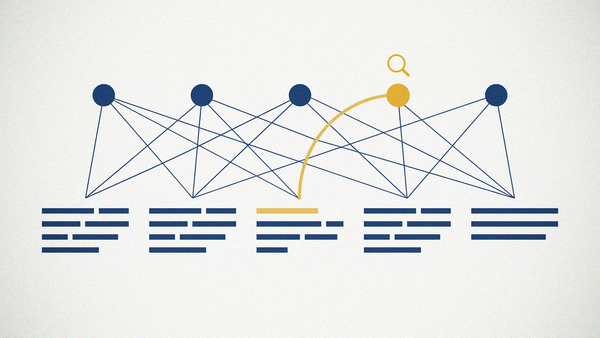
As arbitration grows more complex, top legal teams rely on modern technology to stay in control of the record. From AI-powered testimony analysis to integrated transcript workflows, these six strategies pair proven litigation fundamentals with tools built for how proceedings run today.


Arbitration is often favored as a more efficient path to resolution than traditional litigation, while keeping disputes out of the public eye. But as commercial disputes become more complex and timelines continue to compress, legal teams face increasing pressure to manage larger volumes of evidence and move faster than ever before, all without sacrificing precision.When faced with mounting pressures, the fundamentals still apply. The most effective legal teams succeed through careful preparation and a deep understanding of the facts. What is changing is the technology available to support that work, making it easier to organize vast amounts of information and uncover insights that might otherwise be missed.
A strong arbitration strategy hinges on a clear, reliable record. Increasingly, modern legal technology and AI are helping teams work through growing case complexity more efficiently. From faster transcript delivery to intelligent testimony analysis, modern arbitration workflows provide legal teams more ways to manage information and stay on top of the record without compromising quality.
Below are six arbitration strategies that bring together traditional litigation principles and modern technology to support a cleaner record and a more efficient review process.
Strategy 1: Expedite Transcript Preparation and Analysis
The value of an arbitration transcript extends far beyond the final hearing record.
During active proceedings, litigation teams often need to revisit testimony and evaluate issues that emerged during examination. Delays in transcript delivery slow proceedings down by forcing legal teams to rely on their own notes rather than the record itself.
Advances in electronic court reporting are significantly shortening that timeline. Prevail, for example, delivers human-edited rough drafts within three hours of a session concluding and final transcripts certified by a Certified Stenographic Reporter (CSR) within seven business days.
With faster access to the record, attorneys examine testimony while it is still fresh and identify areas that warrant follow-up in real time. Rather than waiting for the proceeding to conclude before analyzing testimony, legal teams can incorporate the record into their strategy as the case develops, pivot quickly, all while preparing for the next witness.
In arbitration, where schedules move quickly and opportunities for discovery are limited, that level of responsiveness has a meaningful impact on case preparation and counsel’s ability to draft stronger motions.
Strategy 2: Leverage AI for Real-time Insights and Organization
AI is becoming a standard part of legal workflows, where hearings generate large amounts of information and counsel needs practical ways to locate and analyze testimony without interrupting their focus on the proceeding itself.
Integrating AI Into the Testimony Capture Workflow
Prevail’s CheckMate platform addresses this challenge by integrating AI for legal teams directly into the testimony capture workflow. CheckMate is Prevail's real-time testimony intelligence platform, combining live transcription, verification, and AI analysis in a single workflow. A native solution powered by Claude, and supported by integrations with Microsoft Copilot, Google Gemini, and Legora, CheckMate enables legal teams to interact with the record in real time as testimony unfolds.
Rather than treating transcripts, video, and audio as separate reference points, CheckMate brings them into a unified workflow. Features such as instant transcript search, synchronized audio playback, and on-the-fly video clip creation allow counsel to move directly from question to relevant testimony without breaking focus.
Instead of spending valuable time searching through pages of transcript text or switching between tools, attorneys can stay engaged with witness examination and case strategy while the system handles the underlying navigation of the record.
Strategy 3: Make Security and Compliance Non-Negotiable
Confidentiality remains one of arbitration's defining advantages. Parties often choose arbitration to resolve disputes involving trade secrets and sensitive financial information, making strong protection of case materials critical throughout the proceeding. As arbitration workflows increasingly move onto digital platforms, legal teams must evaluate not only ease of use, but also the strength of their security.
Not all technology providers are built to meet the requirements of legal proceedings, which is why it is crucial for firms to assess platforms against recognized security and compliance standards before adoption.
Security credentials have become an increasingly common consideration when selecting technology for arbitration proceedings.
Prevail prioritizes data security, maintaining ISO 27001:2022 certification and a SOC 2 Type 2 attestation, and has been approved for use by federal agencies, including agencies with criminal enforcement authority. Prevail is also an authorized JAMS partner. For counsel and arbitrators alike, strong security controls help ensure that testimony and case materials remain protected.
Strategy 4: Integrate Testimony Management Into a Single Workflow
One of the most common sources of friction in arbitration is information fragmentation. When transcripts, exhibits, witness notes, and case materials live in separate systems, legal teams must spend valuable time context switching rather than advancing case strategy.
In many proceedings, transcripts, exhibits, and hearing recordings are split across different systems. As complexity increases, constant toggling disrupts focus, making it harder for counsel to stay fully engaged and easier for critical moments to slip by.
Unifying the Arbitration Record in One Workflow
Many legal teams are addressing this problem through integrated testimony management platforms that bring core proceeding functions into a single workspace. Prevail combines video proceedings, exhibit management, transcript review, and team collaboration into one platform.
Introduced exhibits are automatically hyperlinked within the transcript, allowing users to move directly from testimony to the supporting document in a single workspace. By reducing administrative friction, the use of AI for legal teams can help preserve the relationship between testimony and evidence while maintaining the broader context of the case.
This integrated environment reduces overhead and keeps testimony and exhibits connected throughout the proceeding. For arbitrators reviewing the record and counsel preparing post-hearing submissions, that connection between testimony and exhibits helps ensure nothing is taken out of context.
Strategy 5: Strengthen Witness Preparation With Real-Time Testimony Intelligence
Witness preparation is fundamental to arbitration advocacy. Experienced attorneys prepare extensively for witness examination often by tracking prior statements and materials. AI for arbitration makes this responsibility easier to execute.
Testimony intelligence platforms allow legal teams to search transcripts instantly and collaborate on notes while testimony is still being given. Information can be compared against prior statements and exhibits in the moment.
Real-time transcription during testimony provides a strategic advantage by allowing teams to flag inconsistencies in the moment while the witness is still on the stand. A contradiction identified while a witness remains under oath can immediately inform a line of questioning. The same contradiction discovered hours later may have far less strategic value.
By reducing the time between identifying an issue and acting on it, legal teams can make more effective use of the testimony as it unfolds.
Strategy 6: Prioritize Efficiency Gains With Cost-Effective and Scalable Solutions
Clients continue to expect legal teams to manage costs carefully, even in high-stakes disputes. As a result, firms are increasingly reassessing whether traditional workflows remain the most efficient way to conduct arbitration proceedings.
Digital-first platforms reduce costs such as travel, videography, administrative coordination, and document management. They also reduce the time attorneys spend on manual tasks like organizing testimony and preparing internal summaries, work that carries significant operational overhead but limited strategic value.
This increased efficiency reduces billable hours spent on administrative work, making the arbitration process more cost-effective for clients. Remote participation tools also expand access to dispute resolution by reducing the need for travel and physical venue costs, which can be prohibitive for smaller organizations.
Beyond direct cost savings, streamlined workflows improve overall efficiency throughout the proceeding. By minimizing time spent on logistics, legal teams can focus more fully on substantive legal analysis and case strategy.
For clients, this translates into lower costs. For firms, it enables a more scalable model for handling complex matters without increasing operational burden.
Strengthening the Fundamentals Through Technology
The most effective arbitration teams are not changing the fundamentals of advocacy. They are finding ways to execute those fundamentals more efficiently.
Fast access to arbitration transcripts, AI-assisted testimony review, secure digital infrastructure, integrated record management, stronger witness preparation, and scalable workflows all support the same objective: maintaining control of the record and making better-informed decisions throughout the proceeding.
Technology does not replace legal judgment. It provides the infrastructure that allows counsel and arbitrators to focus on the issues that matter most.
As arbitration continues to evolve, the legal teams that combine strong advocacy with modern testimony management tools will be best positioned to move efficiently while maintaining the integrity of the record.
Frequently Asked Questions
How quickly can arbitration transcripts be delivered?
Turnaround has compressed significantly with electronic court reporting. Prevail provides human-edited rough drafts within three hours of a session ending and final transcripts certified by a Certified Stenographic Reporter within seven business days.
Is AI secure enough for confidential arbitration?
It can be, provided the platform meets recognized standards. Prevail maintains ISO 27001:2022 certification and SOC 2 Type 2 attestation and has been approved for use by federal agencies, including those with criminal enforcement authority.
What is testimony intelligence?
Testimony intelligence is the real-time analysis of testimony as it unfolds, letting legal teams search, compare, and flag statements against prior records while a witness is still under oath.
How does technology reduce arbitration costs?
Digital-first platforms cut travel, videography, and administrative coordination costs and reduce the billable hours attorneys spend organizing testimony and preparing summaries, lowering overall cost for clients.
Fast transcripts. Unified workflows. Real-time testimony intelligence. See what Prevail looks like in your next proceeding.